Restaurant AI should answer the questions owners already ask
A practical look at AI insights from POS data: sales trends, top sellers, peak hours, kitchen speed, and staffing signals.
Contents
Restaurant AI is most useful when it answers questions the owner already has during a normal week.
Which item sold best at lunch today? Was Friday actually busier than last Friday? Did the kitchen slow down at the same time every evening? Which payment methods are changing? These are not abstract AI questions. They are questions from a real shift.
The hard part is that many teams still dig through reports to answer them. POS data is in one place, online orders in another, kitchen timing somewhere else, and the answer ends up in a spreadsheet after the shift is over.
Start with the questions, not the model
Useful AI should not make the team learn a new reporting language. It should help answer plain questions:
- What was our best-selling item this week?
- What hour gets the most orders?
- How does today compare with the same weekday last week?
- Are dine-in and takeaway moving differently?
- Which items should we prepare more carefully before the weekend?
- Did kitchen speed improve or slow down?
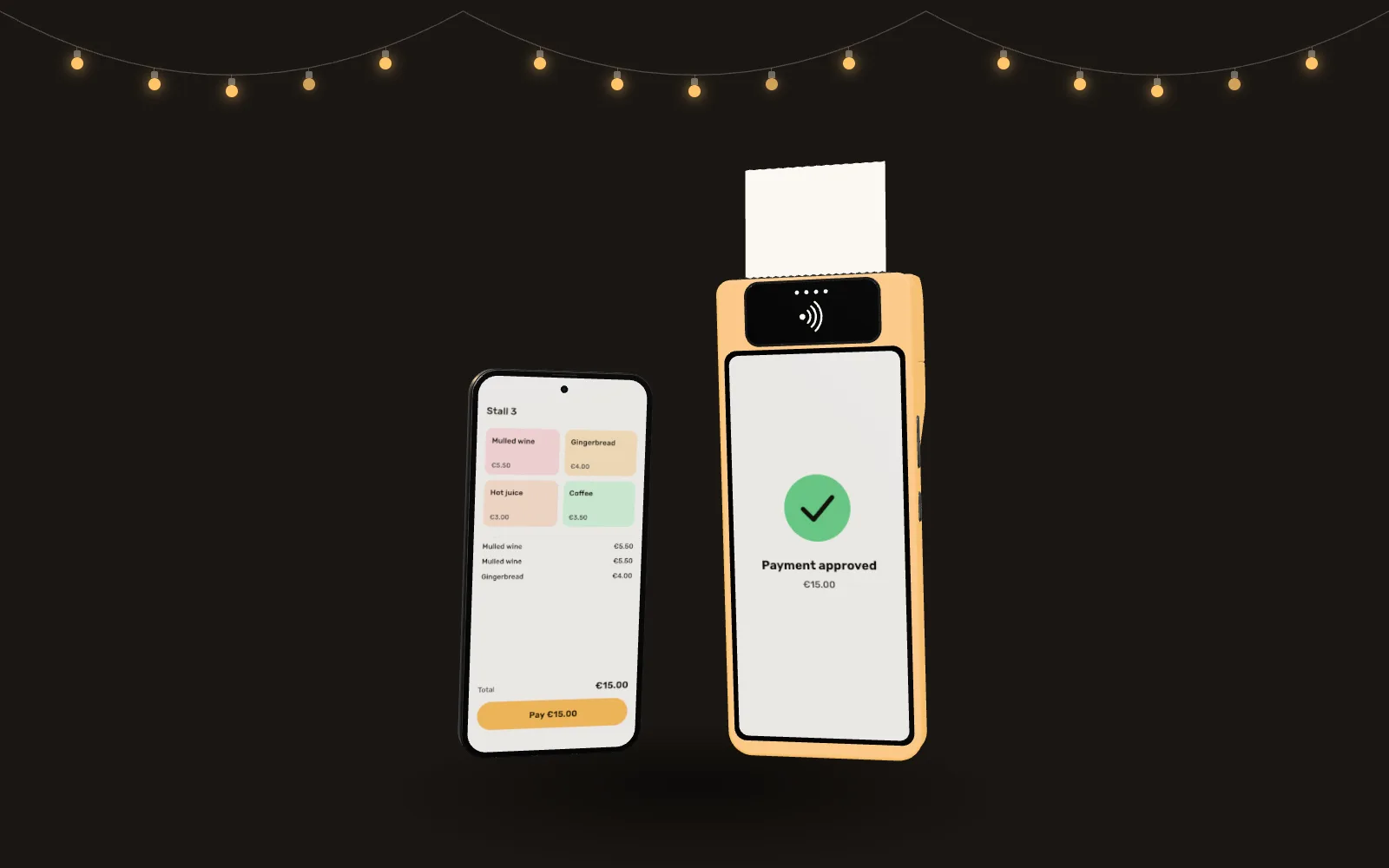
Fiest is built around this idea. POS, orders, kitchen timing, payments, and analytics already share the same operational context, so insights can come from the day itself instead of a stale export.
The signals that matter day to day
The useful signals are usually simple. They only become valuable when they are easy to find.
For a restaurant, those signals can change the way the team prepares:
- a top seller can guide prep and stock checks
- a peak hour can guide staffing
- a slower kitchen period can reveal bottlenecks
- a best day can guide campaign timing
- a payment shift can affect checkout planning
- a dine-in or takeaway split can change how the floor is staffed
The point is not to create a bigger dashboard. The point is to reduce the number of steps between a question and a useful answer.
Keep the data tied to the shift
AI insights are only as useful as the data behind them. If every tool is separate, answers come in fragments. If sales, orders, payments, and timing stay connected, the answers are easier to find.
| Feature | Fiest | Siloed tools |
|---|---|---|
| Sales questions | Answered from POS and order history | Exported from one report at a time |
| Top sellers | Read from menu and order data | Checked manually after service |
| Peak hours | Visible from order timing patterns | Estimated from memory or spreadsheets |
| Kitchen speed | Visible beside order timing | Separate from sales reporting |
This is why AI belongs close to the restaurant’s own data, not beside it as a general chatbot. A separate chat tool can answer broad questions. A restaurant-aware tool can answer specific ones because it has the context: orders, items, payments, timing, and the way the restaurant actually works.
What to avoid
AI becomes noise when it sounds impressive without being useful. Watch out for systems that:
- explain obvious changes without action
- show generic advice that could apply to any restaurant
- require complex setup before showing value
- hide the underlying data
- create more work for managers instead of less
Useful AI should be specific enough to help the next decision. If sales are down, the answer should help you understand where: item, hour, channel, day, or payment mix.
Where AI becomes useful
Restaurant AI works best when it starts from real POS data and answers practical questions from the shift.
For Fiest, AI insights belong inside the same system as POS, orders, kitchen timing, payments, and analytics. That is what makes the answers specific enough to use during a real shift.